

What happens when a remodeling project adds high-demand appliances, HVAC equipment, or backup power to a home with limited electrical capacity? All-electric systems can increase a home’s electrical demand, potentially requiring costly service upgrades and increasing reliance on the electric grid. Incorporating propane for key home systems gives remodelers another way to manage electrical loads while improving comfort and energy resilience.
A recent Department of Energy report found that the U.S. power grid is facing significant energy challenges due to aging grid infrastructure and increasing demand for electricity (from homes, businesses, data centers, and AI), among other factors. By 2030, the electric grid will be unable to keep up with this demand and an increasing number of blackouts and brownouts will ensue, leaving homeowners in the dark.
All-electric homes are also more difficult to heat in the winter and require electrical service that can be two to three times larger than homes that incorporate propane. Builders and remodelers can reduce residential electricity demands by specifying another fuel source, such as propane.
Offer Clients Energy Resilience
For remodelers, choosing which home systems run on propane can have implications beyond appliance performance. Specifying propane for high-demand applications such as space heating, water heating, clothes drying, cooking, and fireplaces can reduce the home’s electrical load, free up service capacity, and potentially help avoid or minimize costly electrical upgrades. It can also reduce the electrical demand a backup generator must support, allowing some projects to use a smaller, more affordable generator. For homeowners, those choices can translate into greater comfort, lower operating costs, and improved energy resilience.
Propane homes require lower amperage, which can allow for the installation of smaller generators, lowering upfront costs compared to all-electric homes. For example, the remodeler of an Afton, Virginia, home avoided a $6,000 electrical upgrade by switching to propane-powered solutions. While the home already had a propane fireplace and cooktop running on an 80-gallon tank, the owners installed a propane tankless water heater and heat pump solution along with a 500-gallon underground tank.
Propane appliances freed up more than 50% of the electrical service capacity, reducing strain on the home’s electrical system, as well as the grid. The homeowners used 64% less electricity year over year in February, as their usage went from 1,472 kilowatt-hours down to 524. The homeowners can now install a substantially smaller and more affordable generator for backup use.
Find Greater Independence with Whole-Home Generators
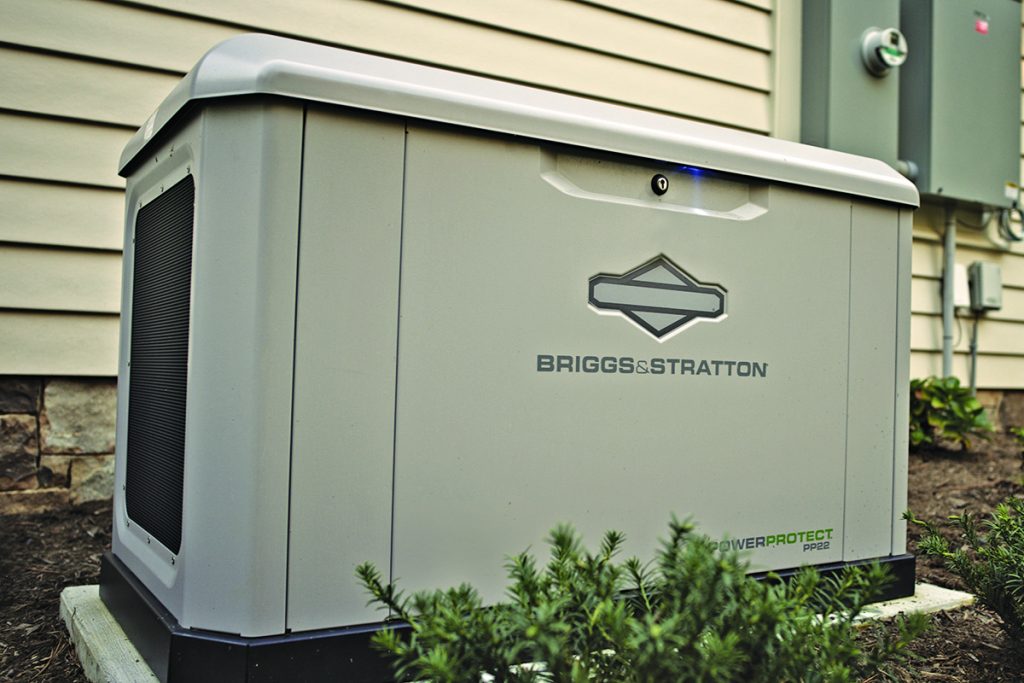
Propane-powered whole-home generators are another important factor in the energy resilience equation. They are a powerful, reliable way to protect homes and families from the risks and damage a power outage can cause. Propane generators are permanently installed. When power is lost, the generator turns on within 10 seconds via an automatic transfer switch, so electric systems like refrigeration and lighting are not disrupted.
Propane generators provide a quiet, efficient, and clean source of power that can operate during power outages and interruptions, keeping clients safe, secure, and comfortable. And, because propane does not degrade over time like gasoline or diesel, the fuel supply is more stable and reliable.
How Appliance Choices Affect Generator Size
When incorporating propane generators into design plans, it is vital to ensure the generator is sized correctly for the home. Because all-electric homes have higher electricity demand, they typically require a larger generator. Homes that incorporate propane generally require a smaller generator.
For customers interested in whole-home standby power, choosing as many propane appliances as possible allows them to reduce the required capacity and cost of their whole-home generator compared with an all-electric home. This can translate to thousands of dollars in savings. When critical systems such as space heating and water heating are fueled by propane, the standby generator can typically be downsized — and made more affordable — because it isn’t running high-demand electric heating appliances. Use our Generator Sizing Tool to compare the backup power needs for an all-electric home versus a home that uses propane for key systems.
Consider the Whole Home
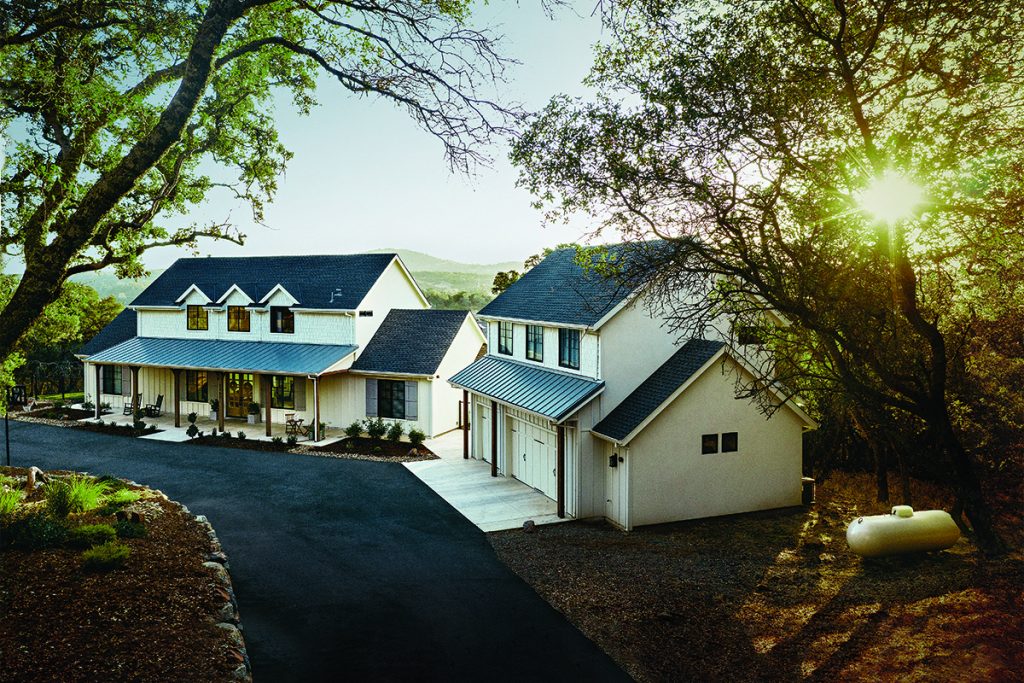
When planning a remodel, look beyond the performance of individual appliances and consider how each energy choice affects the home as a complete system. Incorporating propane for high-demand applications can reduce electrical load, help preserve service capacity, and potentially reduce the size and cost of backup power — while giving homeowners the comfort and resilience they expect.
For your next project, explore whole-home propane solutions and use the Generator Sizing Tool to compare backup power needs for an all-electric home versus one that uses propane for key systems. Remodelers can also expand their propane expertise through PERC’s educational course and learn about opportunities to receive compensation for eligible projects through the Propane Construction Research Program.